Every cat owner has watched it happen: a bowl of water sits untouched for hours while your cat stares at the kitchen faucet, waiting for a single drip. The water is clean and the bowl is full, yet something about it fails to convince your cat to drink. The explanation is older than domestic life. Cats descend from desert hunters with a naturally low thirst drive, and their instincts still treat still water as a risk rather than a resource.
Moving water sends a different signal. It reads as oxygenated, fresh, and safe, which is why so many cats prefer a running tap to anything served in a dish. Understanding that preference is the first step toward solving it. This guide walks through the behavior behind bowl refusal, explains what flowing water changes for feline health, and shows how to build a drinking station your cat will return to on its own. It also covers the mistakes that make owners give up on fountains too early, because most of those problems are fixable.
The Real Reasons Cats Reject Still Water
In the wild, drinking from a pond meant accepting a risk. Standing water collects bacteria, parasites, and the remains of whatever died nearby, and a cat that learned to seek out springs and streams lived long enough to pass that preference down. Your indoor cat has never faced a parasite, but the instinct is intact. A bowl that has sat out since morning looks, to that ancient instinct, exactly like a pond.
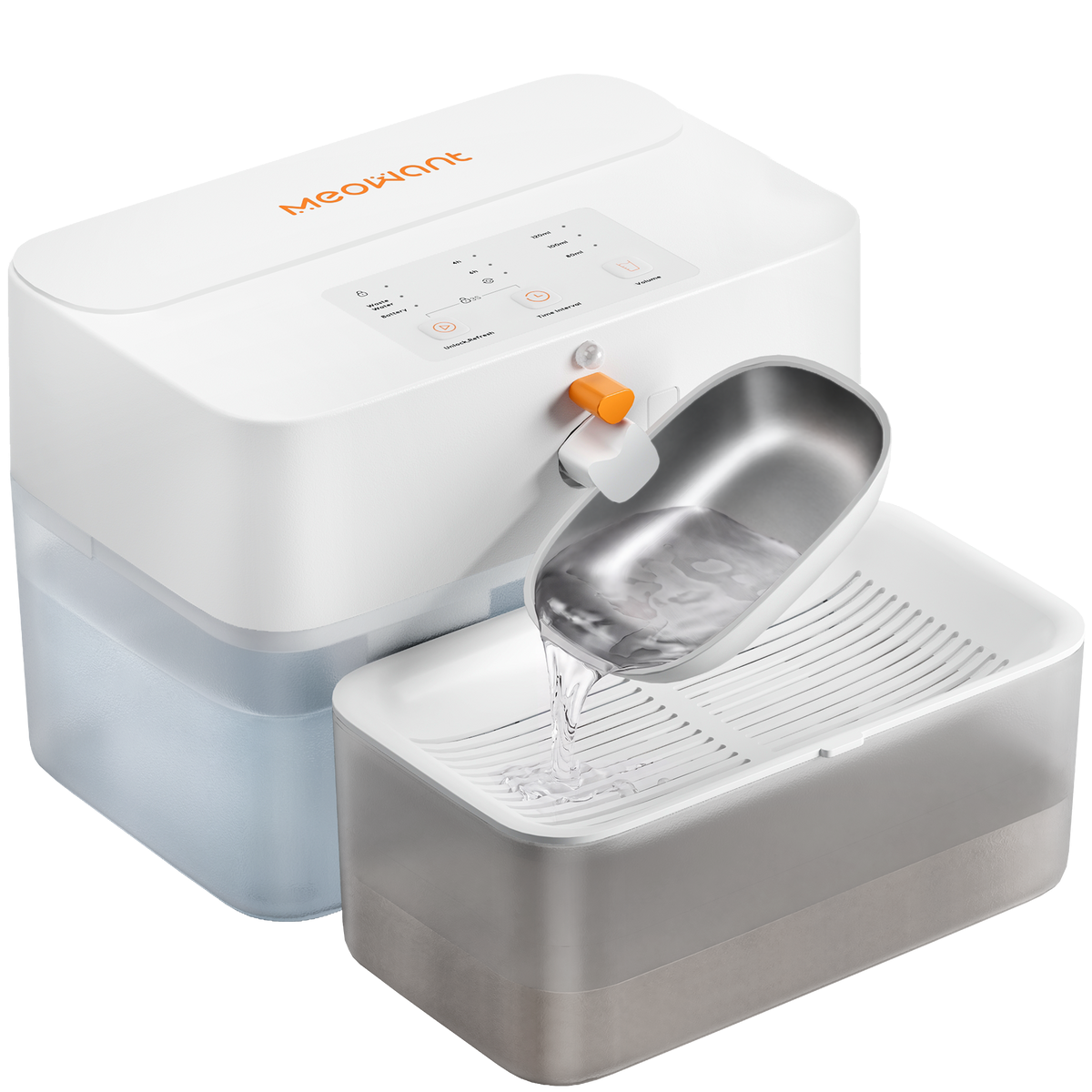
This is where a pet water fountain earns its place. By keeping water in constant motion, aerating it, and passing it through a filter, a fountain mimics the sources cats are hardwired to trust. The result is not a luxury item; it is a closer match to how cats expect water to behave, and many owners notice more drinking within the first week.
Instinct: Moving Water Signals Safety
Watch a cat approach a dripping tap. The ears rotate forward, the head tilts, and the first few laps are cautious. That sequence is a decision, not a coincidence. Flowing water carries oxygen, stays cooler, and resists the stagnation that breeds bacteria, so a cat’s brain is wired to rank it above a still surface. Even a cat that has never been outdoors will test a faucet before a bowl, which tells you how deep the preference runs.
There is a sensory layer as well. Cats can smell chlorine and the faint metallic note that develops in water left standing, and they often reject it without any obvious reason. A fountain keeps water moving and filtered, which reduces both. Owners frequently describe the change as their cat suddenly “liking water,” when in fact the cat always liked it and simply stopped refusing what was offered.
Whisker Fatigue and Bowl Depth
Sensitivity plays a role too. Whiskers are densely packed with nerve endings, and a deep, narrow bowl forces them to press against the sides with every sip. Some cats tolerate it, but others take a few laps and walk away, and owners often read that as pickiness rather than discomfort. A wide, shallow drinking surface, or a stream a cat can lap from without touching anything, removes the friction. If your cat drinks eagerly from a plate but ignores a bowl, whisker contact is a likely culprit.
What Flowing Water Changes for Your Cat’s Health
Cats are built to get most of their moisture from prey, which is why many of them drink less than they should on dry food. Chronically low intake concentrates the urine and raises the risk of crystals, bladder inflammation, and other urinary problems. Veterinarians see these issues constantly, and the cheapest prevention is rarely a supplement. It is simply more water, taken in small amounts throughout the day.
A fountain supports exactly that pattern. The sound and motion draw cats past the bowl repeatedly, and each visit is short, which is how cats naturally drink. Older cats benefit most, since aging kidneys are less able to concentrate urine and dehydration worsens quickly. Owners of cats with a history of urinary blockages often find that a fountain is the one change their cat accepts without a fight.
There is a behavioral benefit as well. A cat that is anxious about resources may guard a bowl or avoid one shared with a dominant housemate. Moving water feels renewable, so even a timid cat will approach it. In multi-cat homes, that small shift can reduce tension around the water station and get the quieter cat drinking again. It is a modest change that addresses both hydration and household dynamics at once.
Setting Up a Fountain Your Cat Will Actually Use
Placement decides whether a fountain gets used. Cats prefer water away from their food and far from the litter box, in a spot with a clear view of the room and a wall behind them. A quiet corner near an outlet is ideal, but avoid tucking it behind furniture where a cat must squeeze in to drink. If your home has multiple floors, a second station upstairs saves a lot of ignored thirst.
Give your cat time. Keep the old bowl where it is, set the fountain nearby, and let the cat investigate without being picked up and shown. Some cats drink within minutes; others need a few days to decide the noise is not a threat. Running the fountain for short periods at first, then leaving it on, helps cautious cats adjust. Never hold a cat’s head toward the stream, which turns curiosity into a struggle.
A few practical details make the transition smoother:
- Keep the water level high so the pump stays quiet.
- Route the cord along a wall or under a mat to prevent chewing.
- Offer both the fountain and a bowl until the cat clearly prefers one.
- Place a mat underneath to catch splashes and protect the floor.
Consider whether the fountain fits the cat’s age. A kitten exploring a new object will investigate anything that moves, while a senior cat may need the fountain placed on a non-slip mat at floor level with a low lip to reach the water comfortably. Some fountains offer a raised or angled drinking surface that reduces neck strain, which matters for older cats with arthritis. Matching the station to the cat’s mobility makes the difference between a fountain that gets used and one that sits ignored beside a familiar bowl.
Pay attention to the flow setting as well. A cat that flinches at splashing may prefer a gentle trickle, while a curious kitten will investigate a bubbling cascade for half an hour. Many fountains allow you to adjust this, and finding the right setting can be the difference between a station that gets used and one that becomes background noise.
Keeping the Water Fresh Without Constant Effort
A fountain is only as appealing as the water inside it. Filters trap hair, dust, and food crumbs, and once they are saturated the water starts to smell and the flow slows. Pumps need their impellers cleared of fur every few weeks, and the basin should be rinsed whenever it feels slick. None of this takes long, but skipped maintenance is the main reason people give up on fountains.
Choose equipment that is easy to take apart. Meowant designs its fountains with removable filters and pumps that come apart without tools, so a full refresh fits into a few minutes rather than an afternoon. Pair that with a calendar reminder for filter swaps and the routine becomes automatic. Fresh, moving water, cleaned on a simple schedule, is what keeps a cat coming back to the same spot every day.
Watch the flow rate as a diagnostic. A stream that weakens over a week is telling you the impeller has collected hair or the filter is spent. Clearing both usually restores it within minutes. If the pump still struggles, check that the water level has not dropped below the intake, which is a common and easily fixed cause of gurgling.
Fresh Water, Calmer Mornings
A cat that ignores the bowl is not being difficult. It is following instincts that made its ancestors survive, and those instincts are easy to satisfy once you stop fighting them. Moving, filtered water addresses the behavior directly, while also supporting the hydration that urinary and kidney health depend on.
The setup matters as much as the device. Put the fountain where a cat feels safe, give it time to become familiar, and keep the water genuinely clean. Do those three things and the daily standoff at the faucet tends to fade. You end up with a cat that drinks more, a kitchen counter that stays dry, and one less small worry on the list.
